Article Themes
-
More Sticky Tricky Issues
-

Sticky Tricky Issues
-
Fundamentals of Peace Education
-
Peaceful Pathways
-
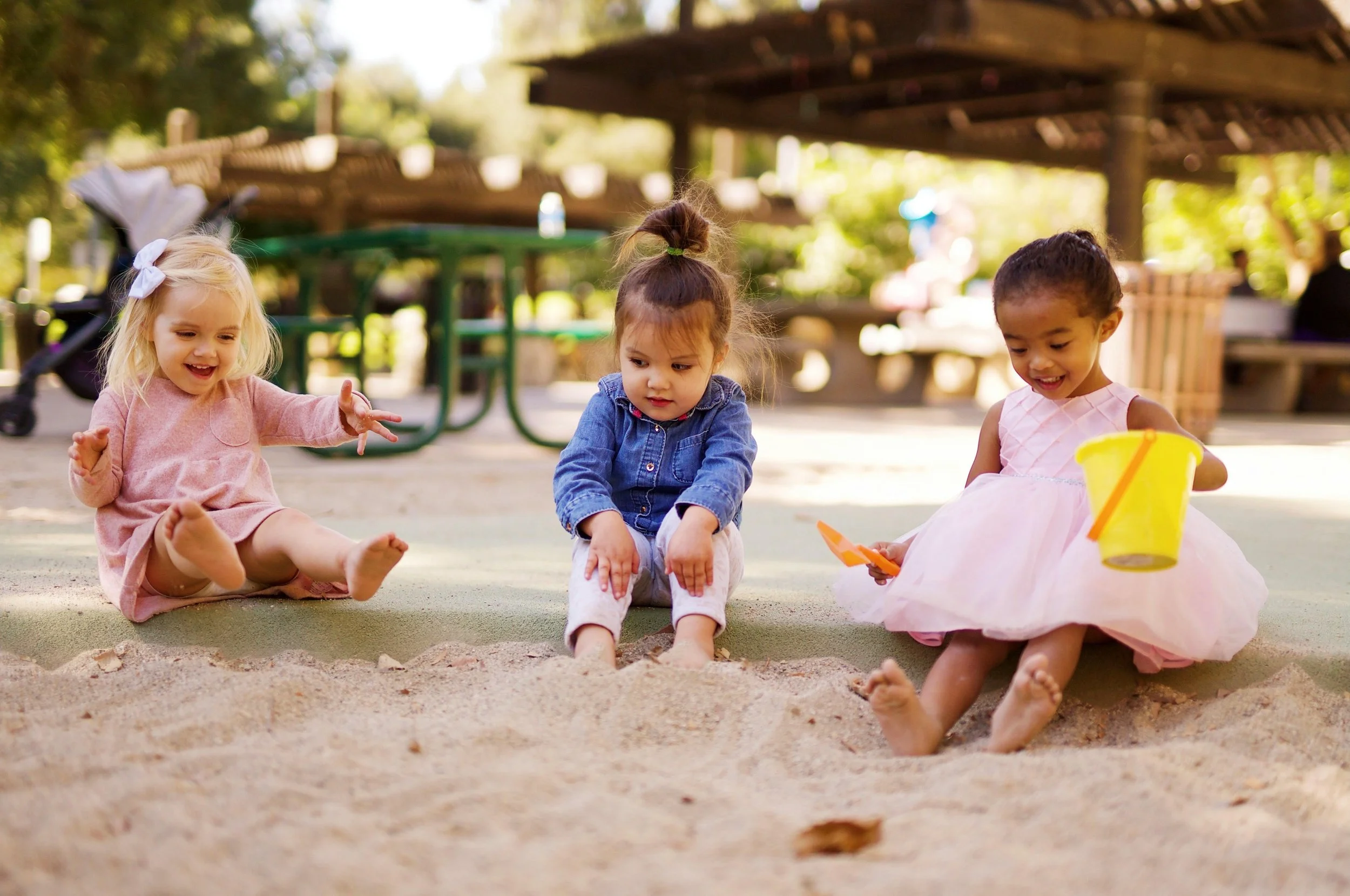
Making Sense of the World Through Play
-

Joy in Diversity
-
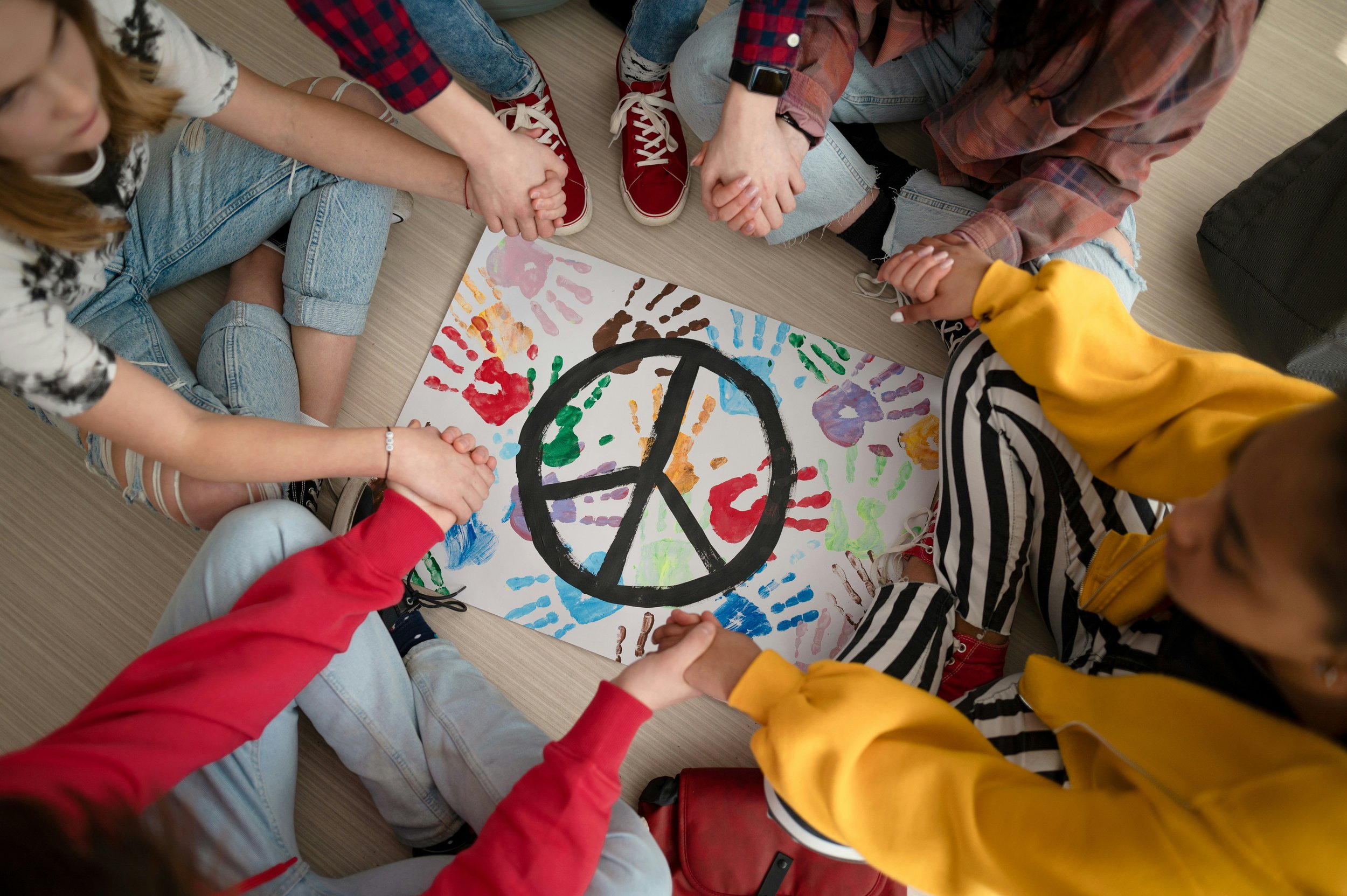
Teaching Peace
-

Civility
-

Taking Responsibility
-
What’s on Educators’ and Families’ Minds?
-

Empowered Children…Empowered Parents
-

Shifting Hurting Power to Helping Power
-
Changing Trends in ECE
-

Put on Your Own Oxygen Mask First: Care of Self
-

Living with Uncertainty
-
The Freedom of Making Choices
All Articles
Dear Olive Branch
Peace education for young children is about nurturing values, attitudes, behaviors, and skills that help children live harmoniously with themselves, others, and the world around them. Here are the fundamental components of peace education for young children.
The Four Settings of the EPCC Core Training
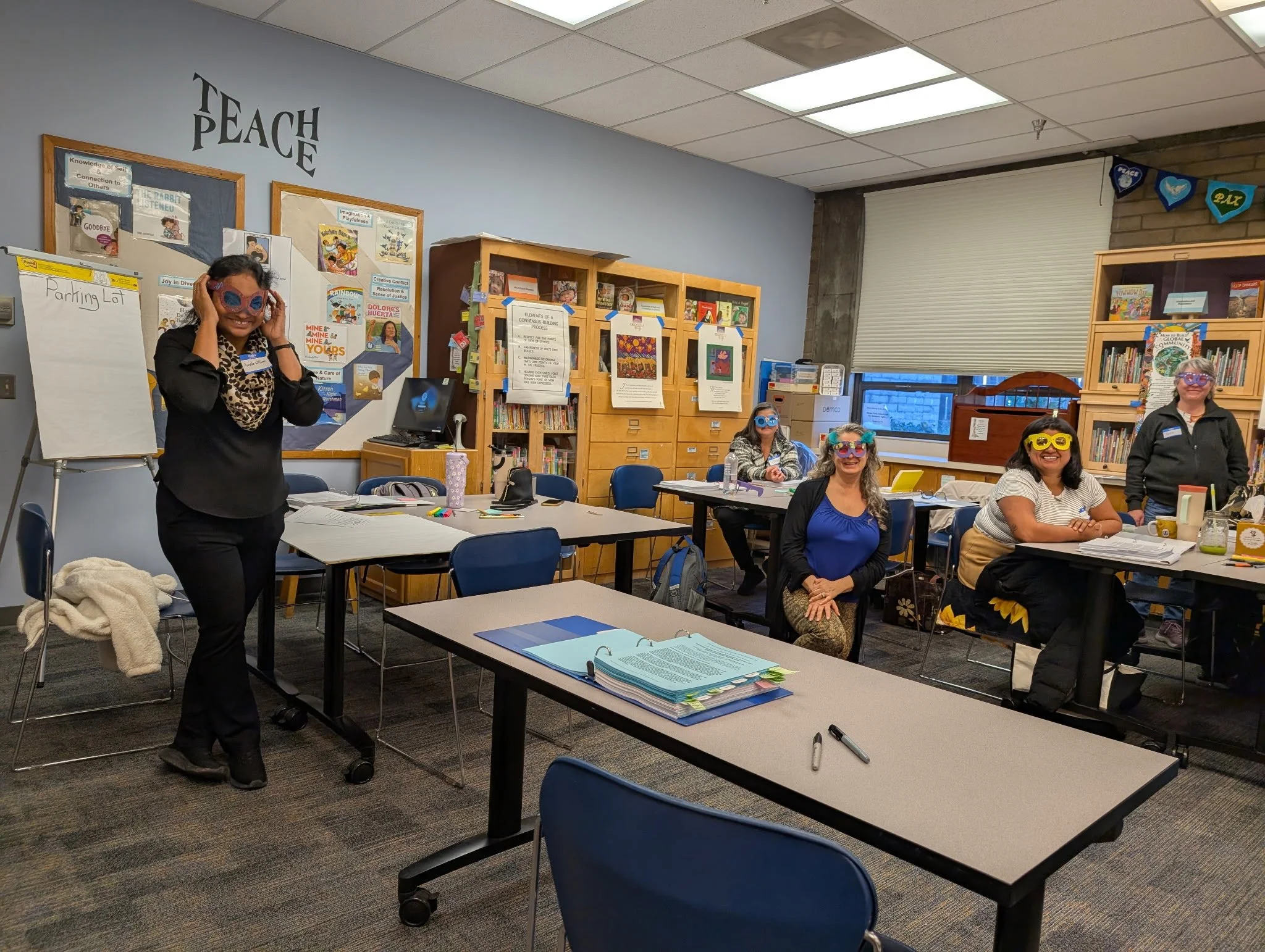
As educators. we live in four worlds simultaneously. We are a part of a community where we live and work - that community, the people in it, the challenges, and the culture. How do we best live in these four worlds, doing the best we can for all involved?
Collaboration and Peace Education
Collaboration and Peace Education go together naturally. They both use the skills of listening, communication, sharing exploration, experiences and tools together. They include a respectful mindset and shared goals.
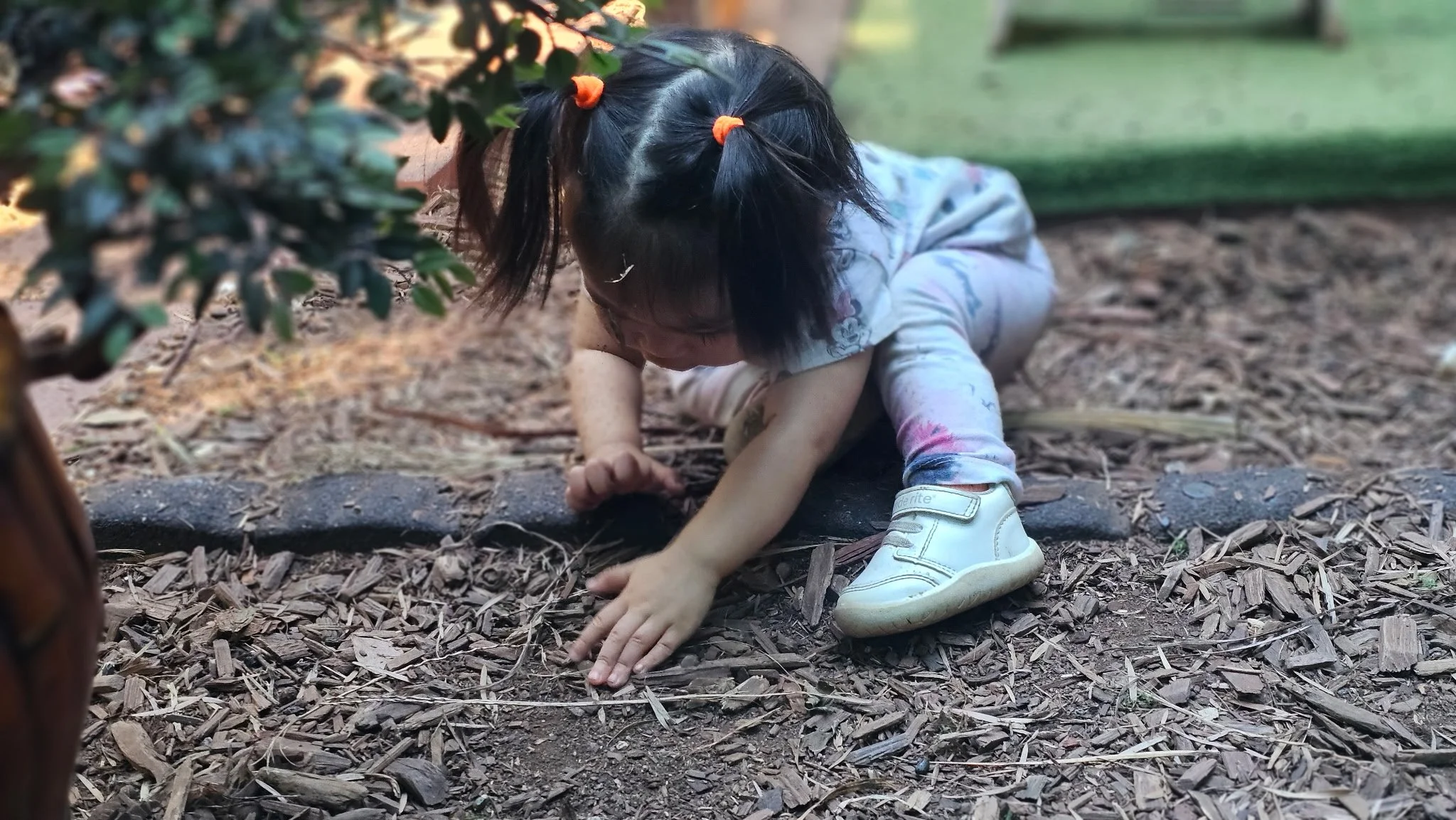
The Pair of Mismatched Socks
For early childhood teachers, the meaning of Peace Education is too broad. The great challenge is how to translate these words to the level of these young children who learn through their senses and emotions.
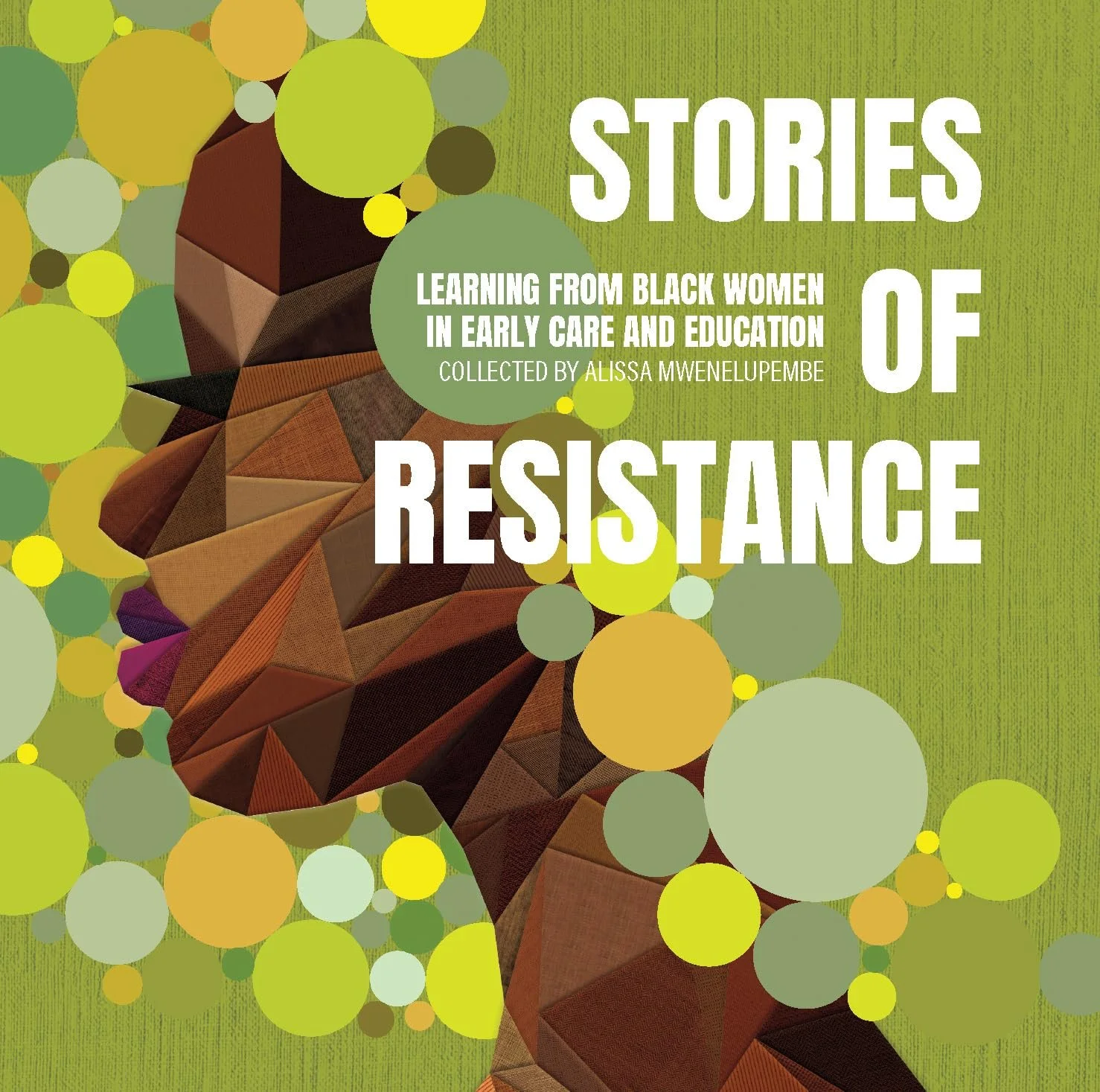
Stories of Resistance: Learning from Black Women in Early Care and Education
“When you tell your story, you free yourself and give other people permission to acknowledge their own story.” This book not only helps us get to know people in our field that we may not know about, but it also reminds us that we all have a story to tell.