Dear Olive Branch
Topic: Fundamentals of Peace Education
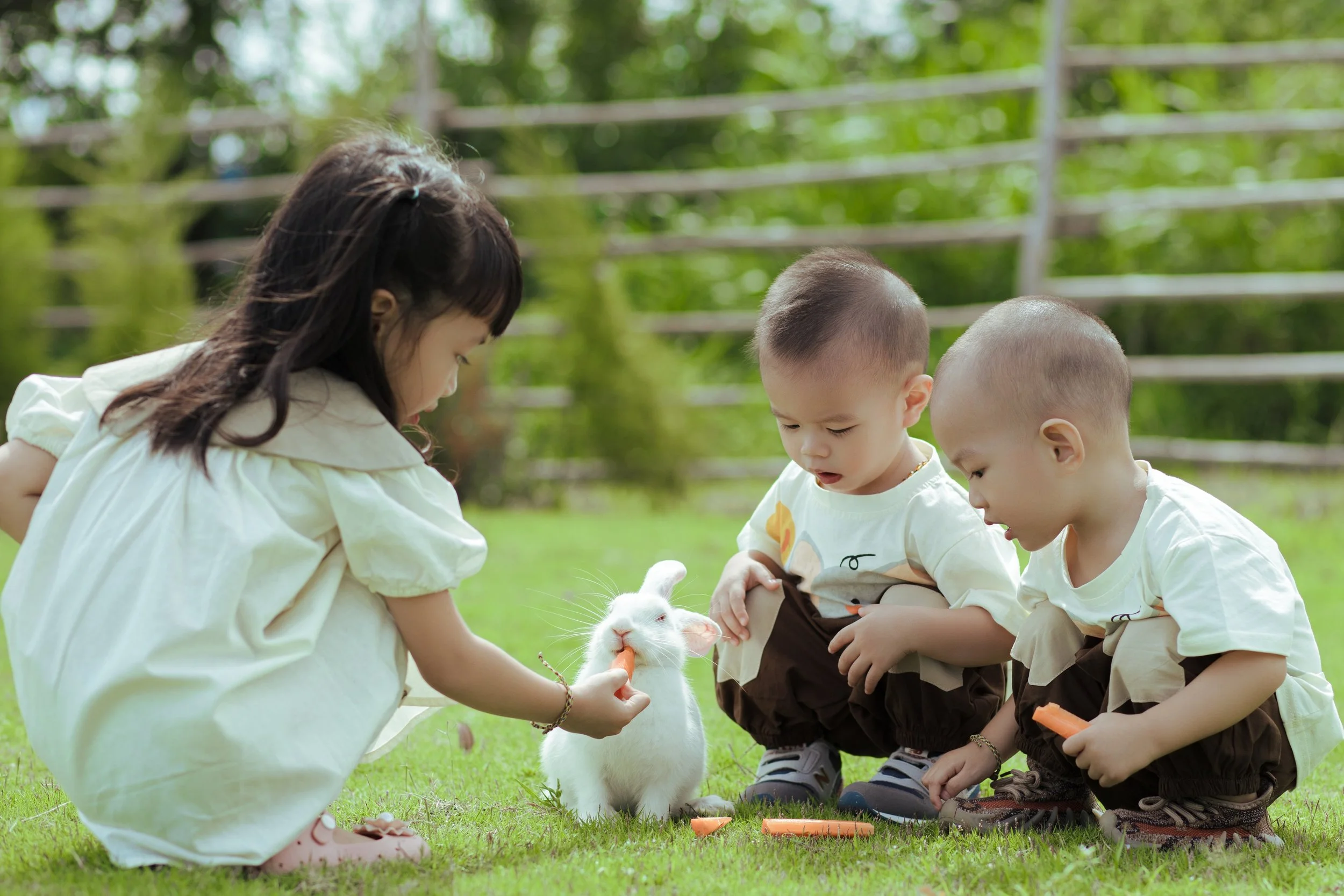
Peace Education may be seen as children exploring and experiencing their world in an effort to gain control over their lives. There are many resources available discussing peace education on web sites. We found and studied the following list, and found it to be consistent with the philosophy and practice of P.E.A.C.E. and EPCC. It is compatible with the new Core Training: Tools, Strategies, and Concepts for Peaceful Classrooms and Communities created by Education for Peaceful Classrooms and Communities [EPCC].
Peace education for young children is about nurturing values, attitudes, behaviors, and skills that help children live harmoniously with themselves, others, and the world around them. It lays the foundation for a peaceful society by promoting empathy, cooperation, respect, and problem-solving from an early age.
Here are the fundamental components of peace education for young children:
1. Emotional Awareness and Self-Regulation
What it means: Helping children recognize and express their emotions in healthy ways.
Why it's important: Emotional literacy is the first step toward managing conflict peacefully and understanding others’ feelings.
Activities: Naming emotions, using feeling charts, breathing exercises, calm-down corners.
2. Empathy and Respect for Others
What it means: Teaching children to understand, appreciate, and respect the feelings, perspectives, and rights of others.
Why it's important: Empathy builds the foundation for kindness and cooperative relationships.
Activities: Storytelling, role-playing, caring for class pets or plants, buddy systems.
3. Conflict Resolution and Problem-Solving Skills
What it means: Equipping children with tools to handle disagreements in constructive ways.
Why it's important: Conflict is natural; learning peaceful solutions prevents aggression and bullying.
Activities: Peace tables, "I" statements (e.g., “I feel... when you...”), group problem-solving games.
4. Cooperation and Community Building
What it means: Encouraging collaboration over competition and emphasizing shared goals.
Why it's important: A sense of community fosters belonging and reduces isolation.
Activities: Group projects, cooperative games, class agreements created together.
5. Appreciation of Diversity
● What it means: Valuing differences in culture, language, appearance, and abilities.
● Why it's important: Promotes inclusiveness, reduces prejudice, and prepares children for a global society.
● Activities: Celebrating different cultures, inclusive books and toys, learning greetings in multiple languages.
6. Environmental Awareness and Peace with Nature
What it means: Teaching children to care for and live in harmony with the natural world.
Why it's important: Environmental peace is linked to sustainable living and long-term peace.
Activities: Nature walks, recycling projects, gardening.
7. Modeling and Adult Behavior
What it means: Adults (teachers, caregivers, parents) consistently modeling peaceful, respectful behavior.
Why it's important: Children learn by example; adults set the tone.
Strategies: Calm communication, active listening, respectful discipline.
Final Thought
Peace education for young children is not a separate subject—it’s integrated into daily life and interactions. Through consistent practice and support, children can develop the skills and mindset needed to become peacemakers in their homes, schools, and communities.
Short Anecdotes From the Field
Olive Branch Committee members have provided the following examples of how peace education is woven into everyday practice.
Shoeboxes as Safe Places
When I was around six years old, my family of 8 people moved into a new house. At the top of the stairs, there was a set of open shelves. Each of us big kids, who were sleeping upstairs, was given a shelf. We could do anything we wanted to with our space. The only rule was to not touch anything on any of the other shelves. It was a perfect place for me to display some of my doll collection. I loved that space. It was my very own.
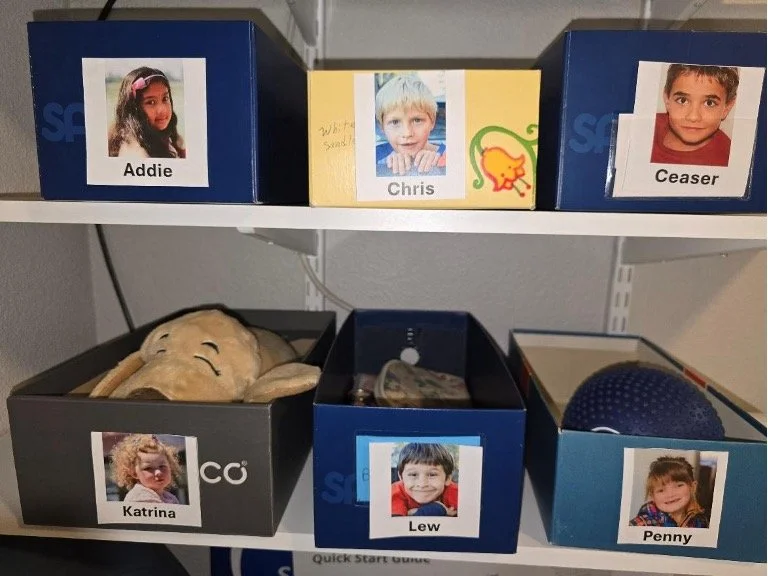
Many years later, when I began teaching kindergarten, I brought my safe place memory to the classroom. The room had lots of open shelves, and I turned one of them into the “cubby shelf.” The children all brought a shoebox from home. We put their picture and name on the end of their boxes. The boxes on the shelf were introduced to the children as their safe place, where they could put anything they wanted. Each child promised to never touch anything that was in someone else’s box (without their permission). This practice of establishing a space in the room that each child owned gave them a feeling that they belonged. During all the years that I taught kindergarten and preschool I never had one instance of things being taken from someone else’s box, not even a leftover cookie from snack time. [M.Shelton]
“Getting to Know You”: Meetings with the Families of my Four-Year-Olds
— Written by Their Teacher
Quite early in the year I invited the families to come in to visit with me and share their ideas and thoughts about what they wanted for their child’s experience in the Sunshine Room.
As we got acquainted, I shared my philosophy about young children and what I believe they are seeking at this stage of life. I included, among others:
Making and keeping friends
Belonging to a community
Feeling safe
Being heard and respected
Getting needs met
I shared with families that I am committed to valuing them as important partners, along with valuing children as contributors to their learning experiences. We practiced using peaceful ways to get our needs met such as using words and problem-solving.
Then, I requested, “I would love to hear your thoughts and ideas for what you would like (Jordan’s) experience to be this year.”
These meetings with families helped set the stage for building a classroom community for peace. The queries I asked were open-ended, respected the ideas of the families, requested their thoughts about implementation if possible, and built a supportive, cooperative relationship.
I found it fascinating to notice that a number of children were much happier at school once their families had met their teacher and established a relationship. Families had a better sense of their children’s learning environment after my sharing of our philosophy and program. Children were then able to trust and become contributing members of the community. Partnerships with families are essential to children’s success! [S. Hopkins]
NOTE: We chose “Dear Olive Branch” as the title for this column for several reasons – foremost as a sign of peace. Also, olives come in many colors, sizes, tastes, uses – a sign of diversity just as there are many types of questions and those who send the questions. We hope Olive’s responses will help you, the reader – if you have a question for Olive, send it to our email address. When Olive isn’t available to answer questions, members of EPCC and/or P.E.A.C.E. will step up to help.
Olive’s Future Columns
We are looking for your questions and/or short stories to be considered for inclusion in the future. Word range: 150-300 words.