Dear Olive Branch
Topic: How We Choose Which Holidays to Include
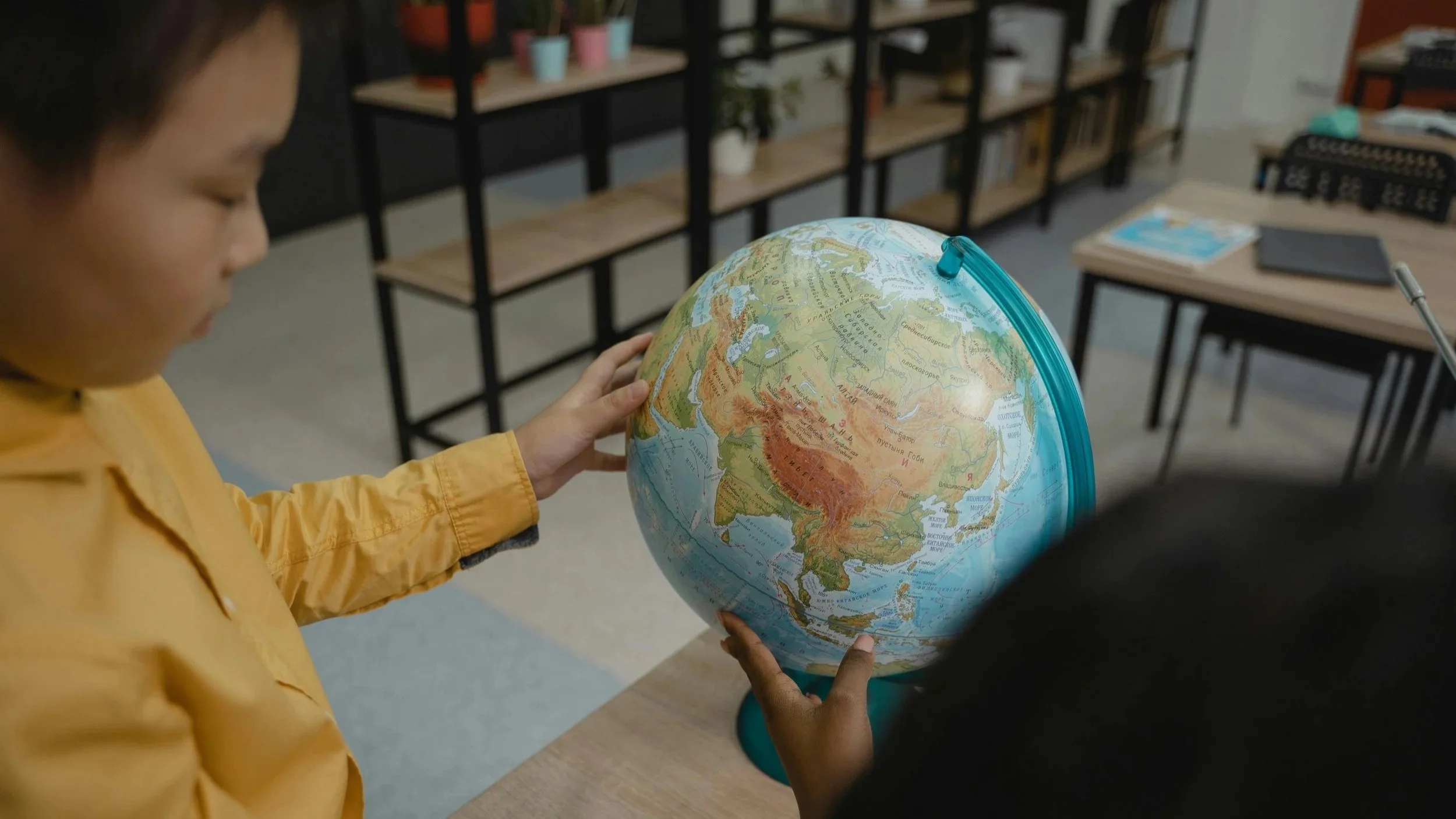
An inclusive DEI policy for early childhood holiday celebrations focuses on “learning about diverse traditions,” rather than “celebrating them.” DEI practices include engaging families, emphasizing shared values (kindness, light), avoiding tokenism, and respecting that some families don't celebrate, shifting focus from "holiday parties" to "cultural celebrations" that honor everyone's identity. Key steps include family surveys for input, incorporating stories, music, and crafts from multiple cultures (Kwanzaa, Diwali, Hanukkah, Eid, Lunar New Year, etc.), and creating a "Celebration Wall" for all traditions, ensuring a sense of belonging for every child. [9% of this content was generated by AI.]=
Core Principles
Focus on learning (about the history, values, meanings, traditions, religions, as developmentally appropriate...), not just celebrating (doing the activities connected with the holiday).
Involve Families: Ask families what holidays they observe and how; use their input to guide information and activities. Include family participation if possible.
Avoid Imposition: Don't assume everyone celebrates dominant culture holidays; respect that some families don't celebrate at all.
Emphasize Shared Values: Connect celebrations through universal themes like gratitude, giving, kindness, and light, as well as seasonal themes like new-life and harvest.
Implementation
Family Engagement:
Send surveys asking about holiday celebrations and traditions.
Invite families to share stories, songs, food, or artifacts from their traditions.
Provide learning opportunities for children that respect their families’ wishes about participation.Activities:
Include books, art, artifacts, food, games, and music representing diverse cultures.
Create a "Celebration Wall" for photos, drawings, and symbols from various holidays (dreidels, kinara, etc.).
Teach key words or songs in different languages.Considerations, things to think about:
Frame activities as "learning about" different cultures and traditions.
Avoid oversimplification, tokenism, and generalizing.
Celebrate multiple traditions around values and themes.
Offer choices, allowing children to opt out of activities if they prefer.Language, Tone, & Kindness:
Use inclusive and respectful language (e.g., "winter traditions," "cultural celebrations," “Lunar New Year”).
Clearly explain the difference between learning about and honoring a holiday, and celebrating it as one's own.
Spark curiosity and joy about learning new traditions.
Olive Branch Stories
Merging Holiday Celebrations with the Seasons
First years of teaching are frequently full of many learning experiences. One experience that I vividly remember from my first year of teaching was to not overly rely on Holidays for curriculum planning.
It all started with the kindergarten children making Halloween decorations. They wanted to do Jack-o-lanterns. I provided a variety of sizes and colors of paper. The children had fun creating their own versions. There were big ones, tiny ones, fat ones, skinny ones, and things that looked like apples. The Jack-o-lanterns got posted on the walls.
Next, they wanted to make bats and ghosts to hang from the ceiling. So again, I provided materials and they went to work. After dozens of bats and ghosts were fluttering in the air, the children were satisfied with their work.
Halloween was on a weekend that year, so on Friday, we took all of the art work down so they could take them home to use as decorations.
After the children left that day, I looked around the room and was dismayed to see that on Monday they would return to a room with all blank walls. So uninviting after the excitement of Halloween.
Well, I couldn’t let that happen. So, I stayed very late. I put together some Fall decorations and activities. Even though this was my first year of teaching, I had a collection of posters that a retired teacher had passed on to me. I went through the posters and found some that fit a fall theme. I posted them. There, now something was on the walls. I then went outside and collected leaves to sort. I filled a table with them. I organized some other fall themed activities and set out material so the room would soon be full of their own work instead of posters.
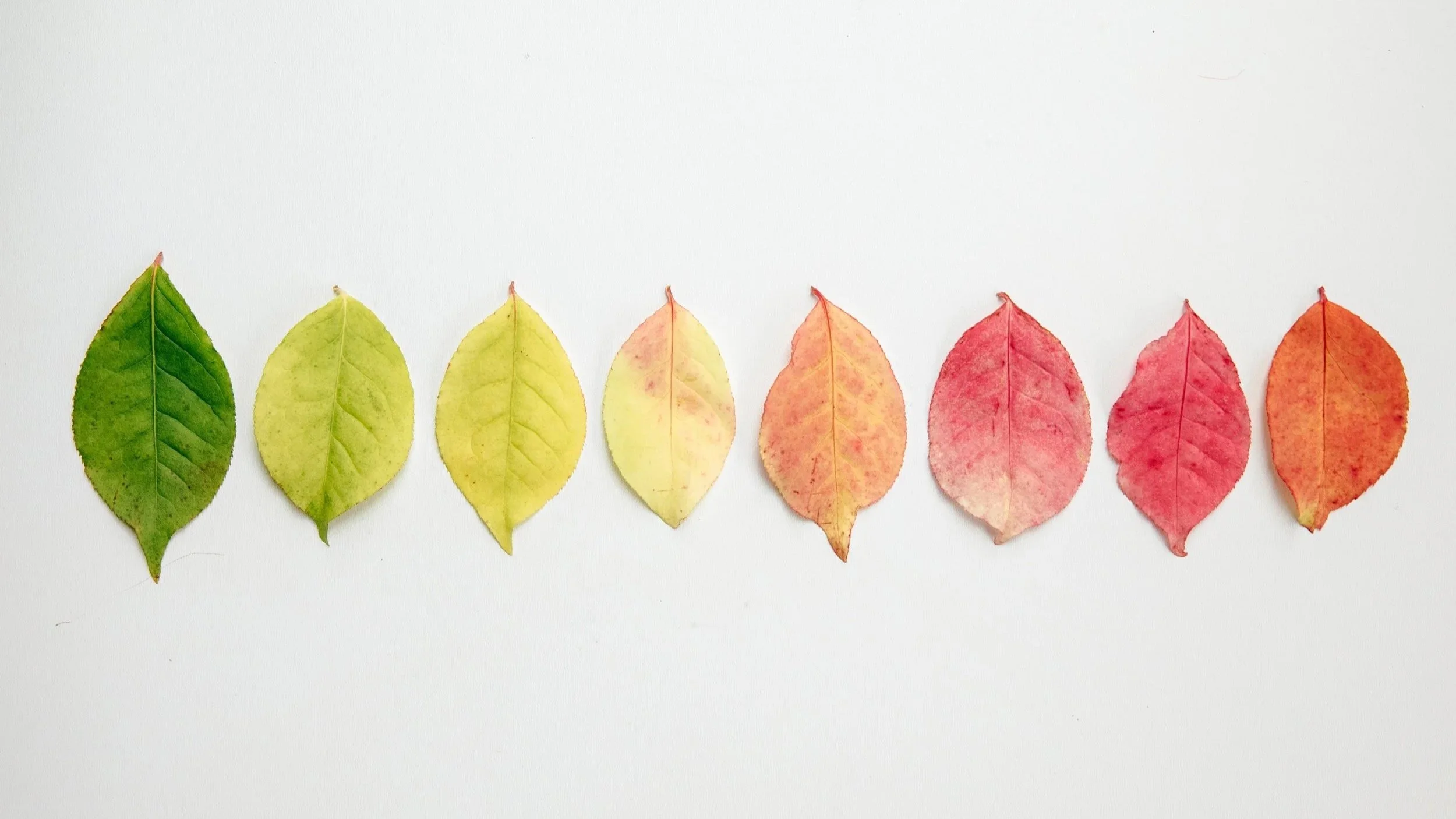
The lesson I learned was to not put all of your decorations around one theme. From then on, I always had transitional decorations. Most of the Thanksgiving art work that year was Fall related. Most of the Christmas decorations were Winter. As the years went on, this focus on seasons made it much easier to have all children engaged in our activities, including children whose families were from different cultures and religions. Children who couldn’t do jack-o-lanterns could do things with pumpkins. [M. Shelton.]
Girl’s Day
When I was teaching in a parent participation preschool program in our school district there were many cultures represented. One year there was a mother from Japan and a father from the United States. At the beginning of the year I always asked families what celebrations were important to them and what they wanted to share with the other families in the class.
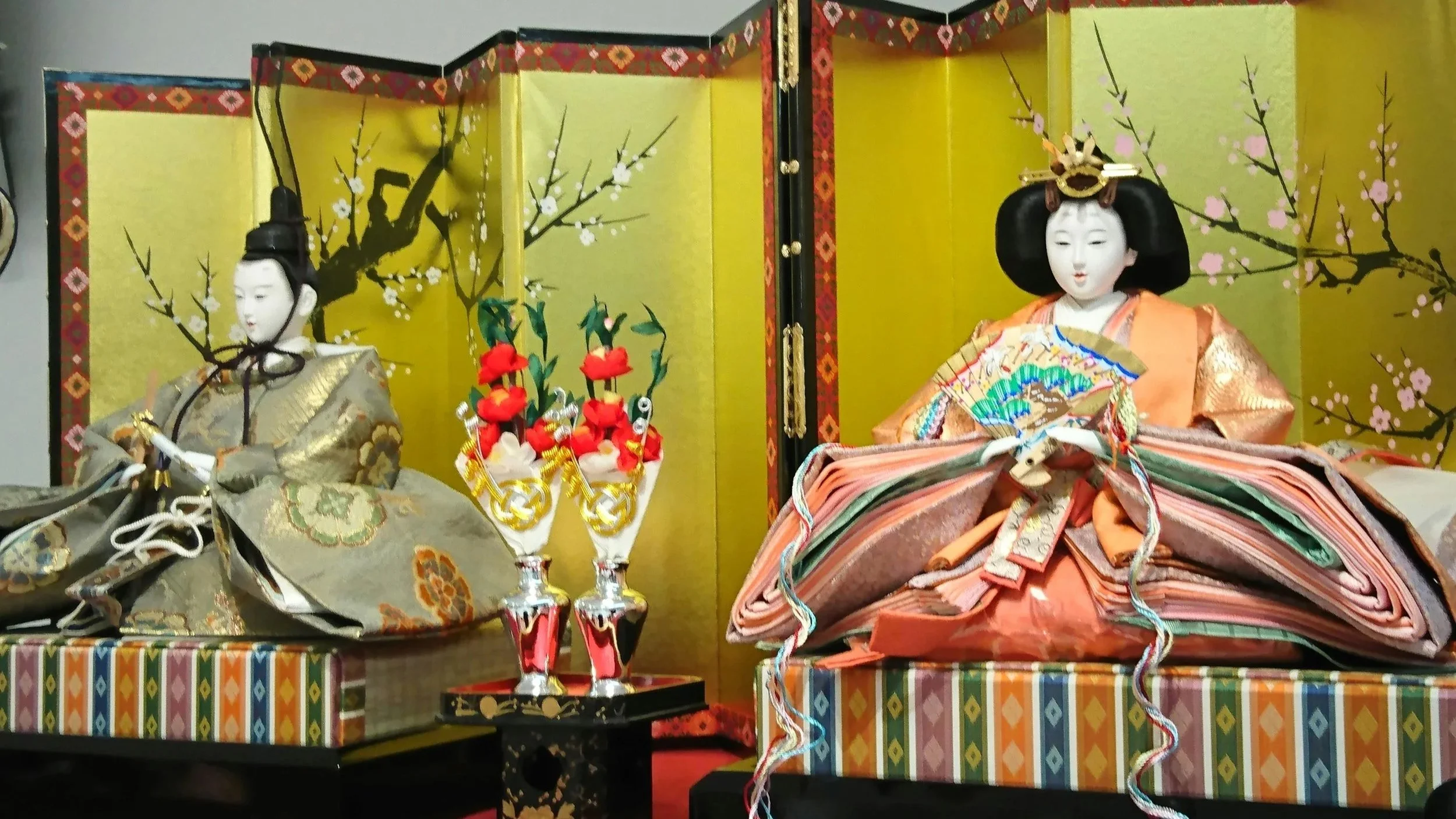
The mom asked that we learn about and celebrate Girls’ Day (Hinamatsuri, also called Doll’s Day) in March. It’s a day when all daughters are honored. We met and talked about the big ideas for the celebration and how those ideas and activities could be shared with the children. The mom’s father sent a children’s book from Japan. We read the book together to the children – her in Japanese, me in English. We also had some dolls and other artifacts that the children could share.
At the end of the year the mom came to me and said how much it meant to her to be able to share that celebration in her daughter’s classroom. For her daughter, it was a celebration that her mom participated in Japan, but it had no personal meaning for the daughter until she could share it with the other children in her class. It had a special meaning for mom and daughter together, as well as for all the children and families in our class. [J. Daniels]

The Children Wanted to Have a Party
My student teacher told me that she wanted to have a party with the children in her internship preschool classroom. My first thought was absolutely not since the program has rules about bringing in food from the outside. However, I trusted my student, and I asked her what she was planning on doing with the children, as I was a bit hesitant to approve her lesson plans. She explained that she wanted to have the children plan the entire event, so permission was given. She had the children work through what is needed to have a party in circle time. The children decided what they wanted to celebrate and chose a date. The invitations for the office staff were made and delivered by the children. The children made the decorations for their room. The children decorated a pretend cake that had a base made out of a plastic case for a 25 pack of CDs. She had them “write” a story about the experience. I was very proud of this student for staying focused on the idea for the week. The children had an excellent introduction to event planning. It was a wonderful un-holiday party. [D. Satterlee]
NOTE: We chose “Dear Olive Branch” as the title for this column for several reasons – foremost as a sign of peace. Also, olives come in many colors, sizes, tastes, uses – a sign of diversity just as there are many types of questions and those who send the questions. We hope Olive’s responses will help you, the reader – if you have a question for Olive, send it to our email address. When Olive isn’t available to answer questions, members of EPCC and/or P.E.A.C.E. will step up to help.
Olive’s Future Columns
We are looking for your questions and/or short stories to be considered for inclusion in the future. Word range: 150-300 words.