Solving Complex Problems Among Children
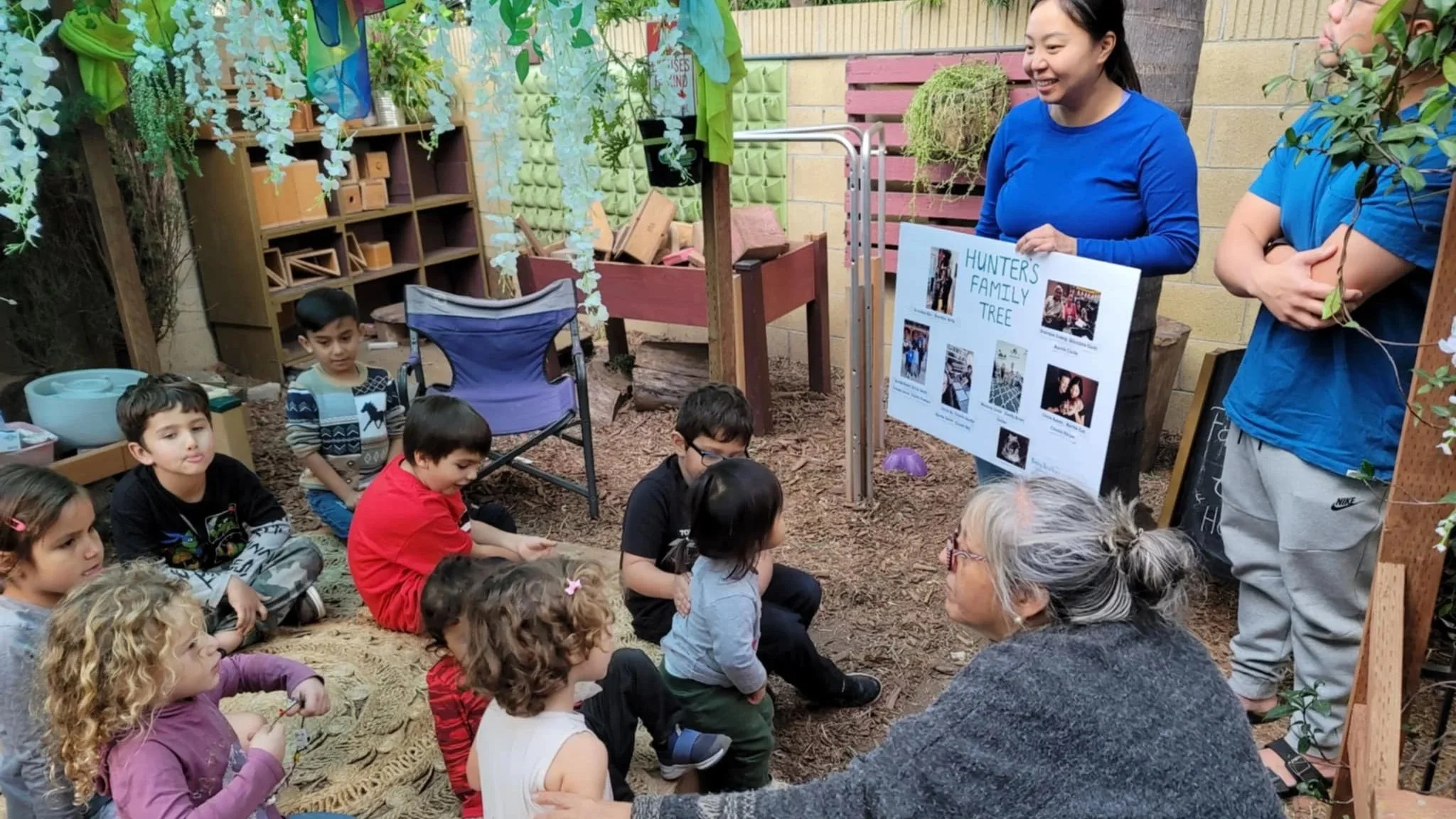
Equality and equity are two extremely important aspects for us as early childhood educators. To work on these two things in my program, I realized over the years that I wasn't being equitable with my group of students, despite treating all the children and their families equally. This journey toward equity reached its peak one day as we were approaching our annual Halloween celebration. When we were planning this celebration with the children, one of them said he couldn't attend because his mother and his church didn't celebrate it. When his mother came to pick him up, he mentioned it to her, and she explained why. Her response seemed well-founded in relation to her cultural traditions. How I approached and responded to this situation can be expanded to include specific strategies for cultural sensitivity, which would help readers understand practical ways to implement inclusivity.
That day, after finishing my work, I was troubled by the realization that I hadn't been fair to my group of students, since I was excluding a child who didn't share in the celebration. The next day, I spoke with the boy's mother and asked if she would like to come and talk to the whole group of children about why this Halloween custom isn't celebrated. The mother agreed and decided to come and talk with the group of children. This was a special and important moment for everyone, and each listened attentively to what the mother had to say, according to their age. The following day was an important occasion where we all reflected together—I was referring to the children and the staff who work with me—and I asked for their opinions and to decide what we could do to celebrate and be inclusive. We concluded that the program would hold a celebration that included all the children and families, and that this celebration would be called FAMILY TRADITIONS, in which each family would showcase their tradition during the program. It would begin in mid-October and culminate on the Wednesday before Thanksgiving. Ten years have passed since then, and, as its name suggests, IT IS THE FAMILY TRADITION OF OUR PROGRAM, where everyone is included. To strengthen this ongoing commitment, consider implementing specific evaluation methods, such as feedback surveys or reflective discussions, to assess how well the celebration promotes inclusivity and cultural understanding. Sharing these evaluation strategies can inspire educators to continuously improve their practices and ensure meaningful inclusion.
Versión en español
Resolviendo Problemas Complejos Entre Niños
La igualdad y la equidad son dos aspectos sumamente importantes para nosotros como educadores de la primera infancia. Al intentar trabajar estos dos conceptos en mi programa, me di cuenta con el paso de los años de que no estaba siendo equitativo con mi grupo de estudiantes, a pesar de tratar a todos los niños y a sus familias por igual. Este camino hacia la equidad alcanzó un punto culminante un día, cuando nos acercábamos a nuestra celebración anual de Halloween. Mientras planeábamos esta celebración con los niños, uno de ellos comentó que no podría asistir, ya que ni su madre ni su iglesia celebraban dicha festividad. Cuando su madre vino a recogerlo, él le mencionó el asunto, y ella explicó los motivos. Su respuesta me pareció bien fundamentada en relación con sus tradiciones culturales. La manera en que abordé y respondí a esta situación puede ampliarse para incluir estrategias específicas de sensibilidad cultural, lo cual ayudaría a los lectores a comprender formas prácticas de implementar la inclusión.
Ese día, tras finalizar mi jornada laboral, me inquietó darme cuenta de que no había sido justo con mi grupo de estudiantes, puesto que estaba excluyendo a un niño que no participaba en la celebración. Al día siguiente, hablé con la madre del niño y le pregunté si le gustaría venir a conversar con todo el grupo de niños sobre los motivos por los que no celebran la costumbre de Halloween. La madre accedió y decidió venir a hablar con el grupo. Fue un momento especial e importante para todos; cada uno escuchó con atención lo que la madre tenía que decir, de acuerdo con su edad. El día siguiente constituyó una ocasión importante en la que todos reflexionamos juntos —me refiero tanto a los niños como al personal que trabaja conmigo—, y les pedí sus opiniones para decidir qué podíamos hacer para celebrar y, al mismo tiempo, ser inclusivos. Concluimos que el programa organizaría una celebración que incluyera a todos los niños y sus familias, y que dicha celebración se denominaría «TRADICIONES FAMILIARES», un evento en el que cada familia presentaría su propia tradición ante el grupo. La celebración daría comienzo a mediados de octubre y culminaría el miércoles anterior al Día de Acción de Gracias.
Han transcurrido diez años desde entonces y, tal como sugiere su nombre, esta se ha convertido en LA TRADICIÓN FAMILIAR de nuestro programa: una tradición en la que todos tienen cabida. Para fortalecer este compromiso continuo, considere implementar métodos de evaluación específicos —tales como encuestas de retroalimentación o diálogos reflexivos— con el fin de valorar en qué medida la celebración fomenta la inclusión y la comprensión cultural. Compartir estas estrategias de evaluación puede inspirar a los educadores a mejorar continuamente sus prácticas y garantizar una inclusión significativa.
This article is part of our Newsletter 2026 Issue 2. See all articles.