
A Tricky Conversation
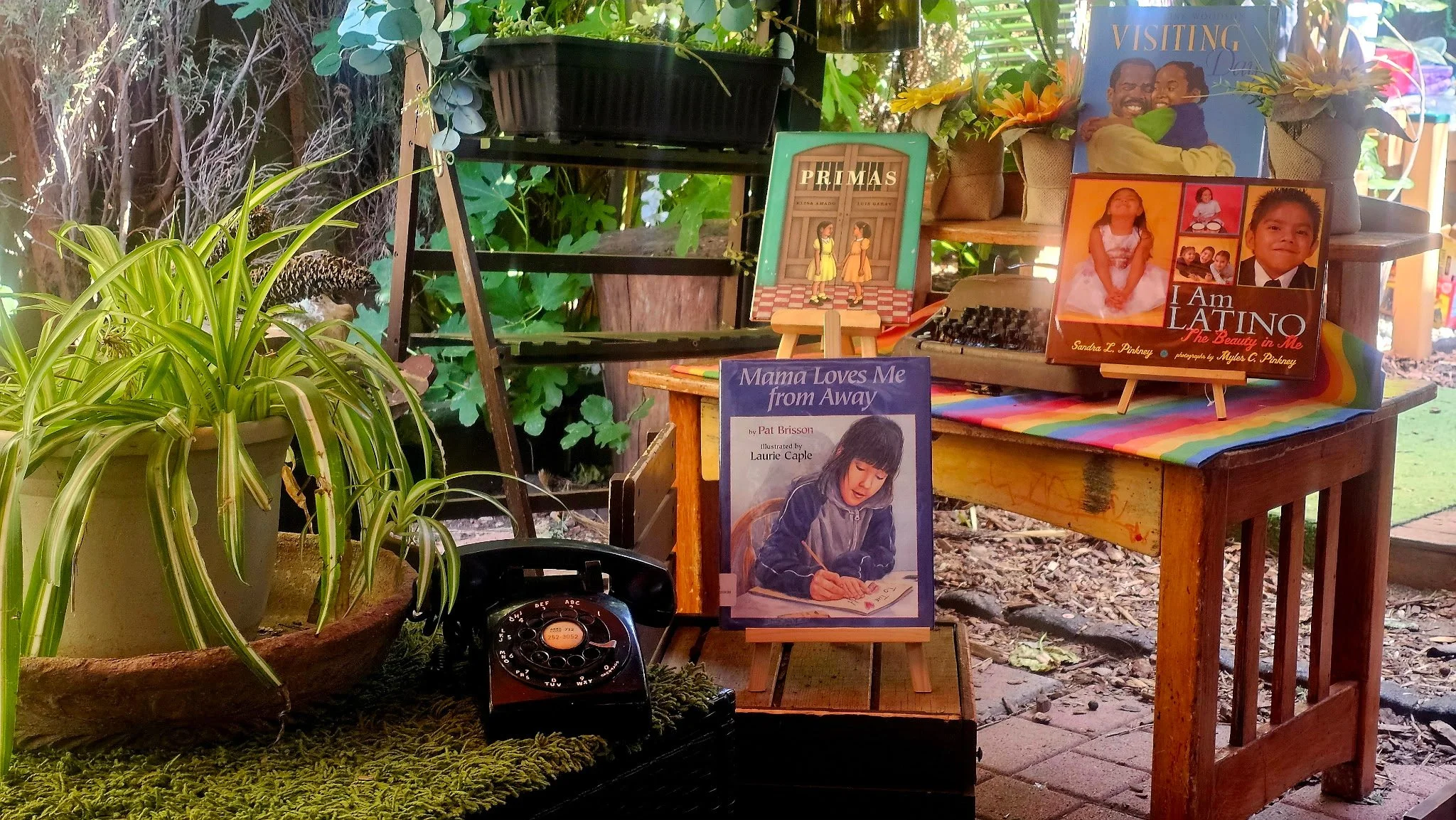
It has taken me some time to write this article. What is the reason I’ve felt a bit stuck? I think, primarily, it is the desire to avoid falling back on the same old explanations—to avoid the feeling that the answer to how we address the problem of racism offers nothing new, or perhaps nothing particularly fresh. Instead, I want to share proactive, connection-based strategies that can make a real difference in fostering acceptance in children.
In trying to find a good approach to this challenge regarding racism, I asked my husband: "What would you do if you had a group of five children—two white, two Asian, and one of African descent or dark skin—and, when asked to form a circle and hold hands, one of the white children refused to hold the dark-skinned child's hand? What would you do to get the white child to hold the dark-skinned child's hand?" My husband, trying to think of an answer while simultaneously preparing dinner, looked at me and said, "I don't know!" I told him, "I don't want that answer; give me something simple and brief." He replied, "I think I’d tell him to take the child's hand and explain that it isn't right to reject the hand of a classmate just because they have a different skin color."
And I thought... “I think that’s what we all would do.”
And then I thought... “Perhaps there is another way.”
This example illustrates how simple, practical steps can promote understanding and acceptance among children in real situations.
To foster acceptance, I believe we should leverage children's natural curiosity and attraction to new experiences. I would quickly adjust my strategy and look for a different kind of connection between them. Second, I would give them the option to play freely. Then, I would find some new, eye-catching material or object and invite the child who had been rejected because of his skin color to play. Children are naturally drawn to things that are new to them; it invites them to explore. So, I would invite each child to participate and explore this new object. At that point, I would pay special attention to the participation time of the child who had rejected his dark-skinned classmate, and I would highlight the positive qualities of both the white child and the other child (the one with dark skin). I would work on reinforcing these children's positive qualities, repeating the process as often as necessary to help build an emotional bond between them.
Why foster this kind of connection? Over the years, I have realized that we often fall into clichés—repetitively emphasizing that discrimination is wrong and constantly repeating phrases like 'We shouldn't be racist'—while overlooking a fundamental point: the roots of discrimination in its various forms lie with our first teachers—our immediate families. We must remember that we are not born racist; rather, our environment shapes us to be racist and discriminatory. By guiding children toward positive self-acceptance rather than merely criticizing their actions, we can plant the seeds of a more accepting future. Your involvement, especially with families, can truly make a difference in this process.
Versión en español
Una Conversación Complicada
Me ha tomado tiempo escribir este artículo. ¿Cuál es el motivo por el que me ha tenido un poco estancada al escribir? Creo que, principalmente, es no caer en las mismas respuestas de desarrollo y que, al leer esto, me quede con la sensación de no encontrar algo nuevo o, quizás, no tan nuevo en su respuesta sobre cómo abordar el problema del racismo. Instead, I want to share proactive, connection-based strategies that can make a real difference in fostering acceptance in children.
Tratando de encontrar un buen desarrollo a esta dificultad que se presenta con el racismo le pregunté a mi esposo “ Tu que harias si en un grupo de 5 niños donde hay dos niños blancos, dos niños asiáticos y un niño de ascendencia africana o piel oscura qué al pedirle que hagan una ronda y se tomen de la mano entonces uno de los niños de piel blanca rehúsa tomar la mano del niño de piel oscura. ¿Qué harías para que el niño de piel blanca le tome la mano al niño de piel oscura?” Mi esposo entre tratando de pensar la respuesta y a la vez tratando de preparar la cena me miro y me dijo NOSE! Le dije”, esa respuesta no la quiero, dame una respuesta simple y corta. Él me contestó: “ Creo que le diría que tomara la mano del niño y decirle a el que no está bien que rechace la mano de su compañero de diferente color de piel”
Y pensé….” Creo que es lo que haríamos todos’.
Mi esposo me mira y me pregunta : ¿y tú qué harías? La verdad, me tomó tiempo elaborar una respuesta; quiero ser clara y precisa. Primero, cambiaría rápidamente de estrategia y buscaría otro tipo de conexión entre ellos. Segundo, les daría la opción de jugar libremente. Después, buscaría algún material nuevo y llamativo e invitaría al niño rechazado por su color de piel a jugar. De alguna manera, a los niños, al ver algo nuevo para ellos, les atrae y les invita a explorar; entonces invitaría a cada niño a participar y poder explorar este nuevo material . En este momento daría más énfasis a la cantidad de tiempo de participación del niño que rechazó a su compañero de piel oscura y en ese momento haría resaltar las cualidades positivas de este niño blanco y también las cualidades del otro niño ( el de piel oscura). Trabajaría en reforzar cualidades de estos niños. Repetiría esto tantas veces como fuera necesario hasta llegar a construir una relación emocional entre ellos.
¿Por qué haría este tipo de conexión? A través de estos años me he dado cuenta de que muchas veces caemos en lo que es cliché ( repetitivo): enfatizar que la discriminación no es buena y enfocarnos en decir en forma repetitiva las mismas frases “No debemos ser racistas,” pero nos olvidamos de algo, que es la base de la fomentacion de la discriminación en sus diferentes formas proviene de nuestros primeros maestros (nuestra familia directa) Recordemos que no nacemos racistas, sino que nuestro entorno nos hace racistas y discriminatorios. Entonces, si estos niños que caen en esto (discriminación), en vez de criticar su acción, los dirigimos por una vía de aceptación positiva de ellos mismos creo que podríamos ir cultivando esta semilla de la aceptación y la tolerancia y quisiera agregar que en este trabajo debemos involucrar necesariamente a las familias para que así pueda ser más efectivo este crecimiento autopersonal de los niños.
This article is part of our Newsletter 2026 Issue 3. See all articles.