
Dear Olive Branch
Topic: More Sticky Tricky Issues
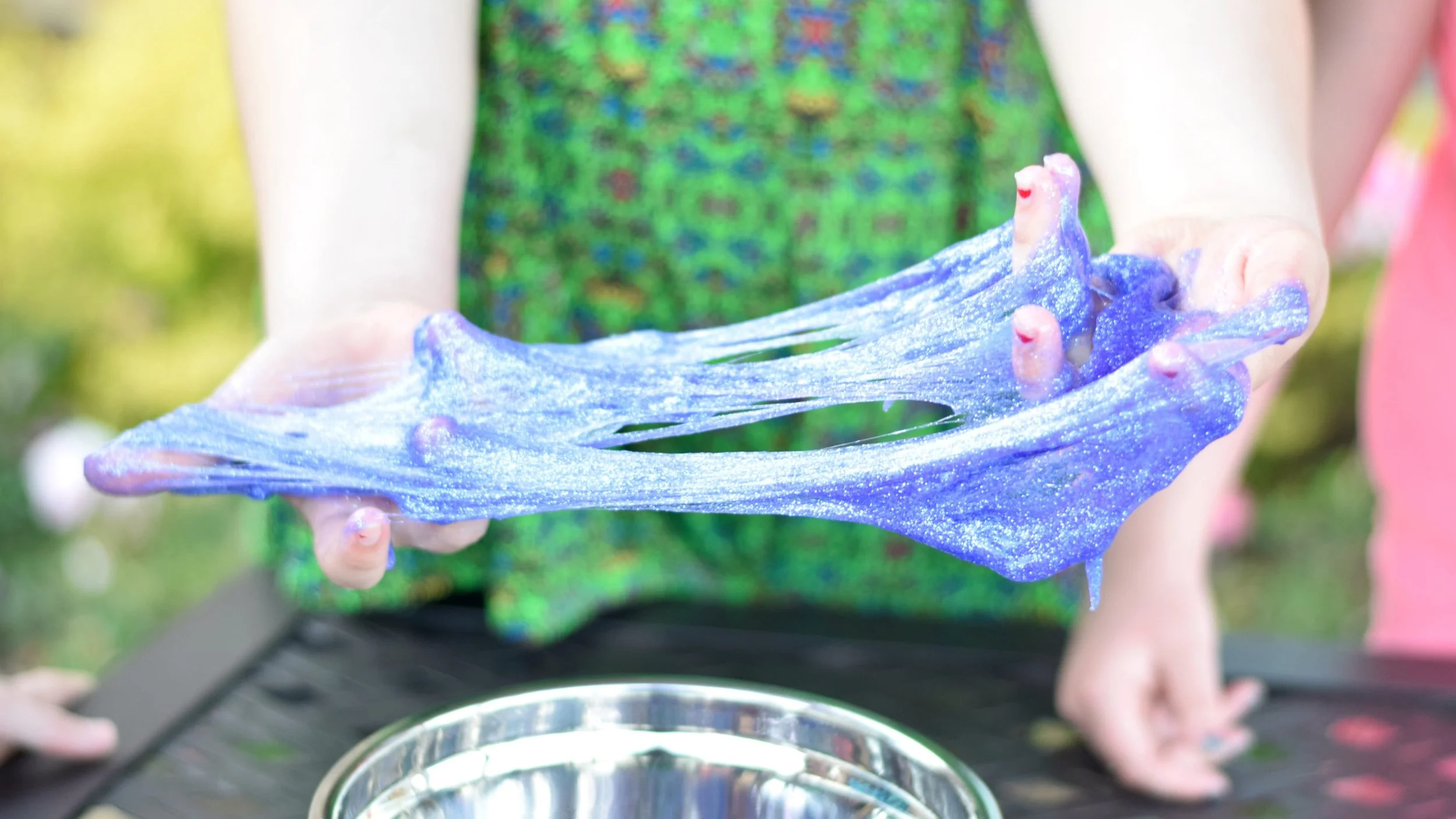
Sticky issues come in so many forms, that we had to devote two columns to the topic. So, the question is: how can we turn the sticky issues into positive learning experiences? When people are faced with sticky issues, fear and uncertainty, mixed feelings and mixed messages can make the issues seem more challenging. We can help resolve fears and other emotions when we view sticky situations as learning opportunities.
The first two stories address the differences between family culture and school culture and how they were resolved.
The last story describes how a child’s complicated medical issue was explained to the other children to alleviate their fears.
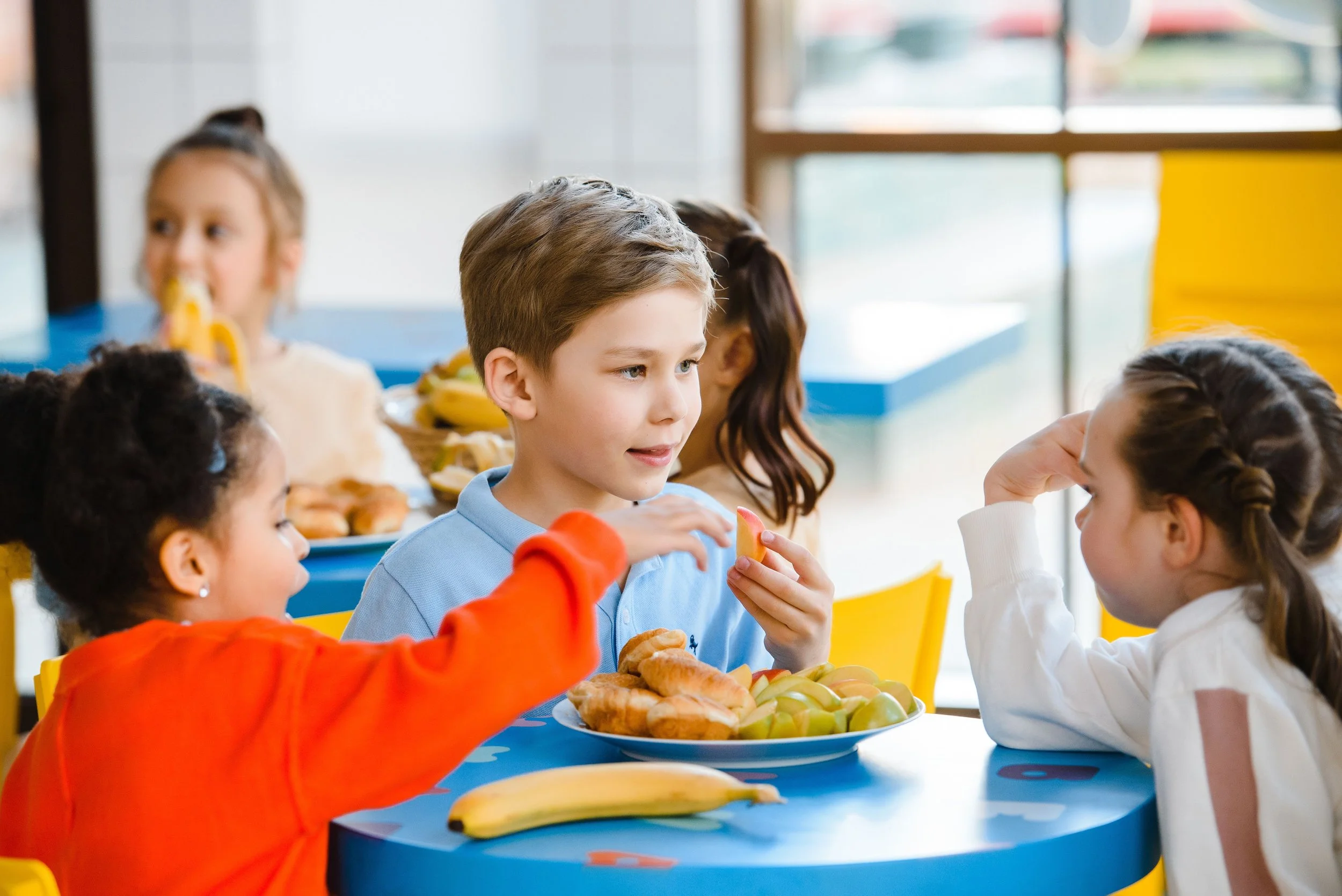
Snack? Not for Me….
A new year began at preschool. One thing we could always count on was that the children really looked forward to snack time. Sharing food together and talking with friends; for me it was a relaxing time to listen to the conversations.
Ali joined the children at the table and joined in the talk about friends and toys, but he did not eat anything. I let it go for a day or two, but then I got concerned when he bypassed eating for a few days. Did he not like the food we had for snack time? His parents were from Pakistan, but he and his older sisters were born in the United States. What was going on?
I decided to call his mom and see if she could provide some help. Ali’s family lived near the preschool, and his sisters were friends with my daughters since they all went to the same school. Ali’s mom invited me to go to their house and I did. When I asked Ali’s mom why she thought he wasn’t eating she began to laugh. She said in their culture children were fed by parents and older family members until they were about 5 years old. It was part of caring for a child. She said she would talk with Ali and let him know that at school it was ok for him to feed himself … and he did for the rest of the year! [J. Daniels]
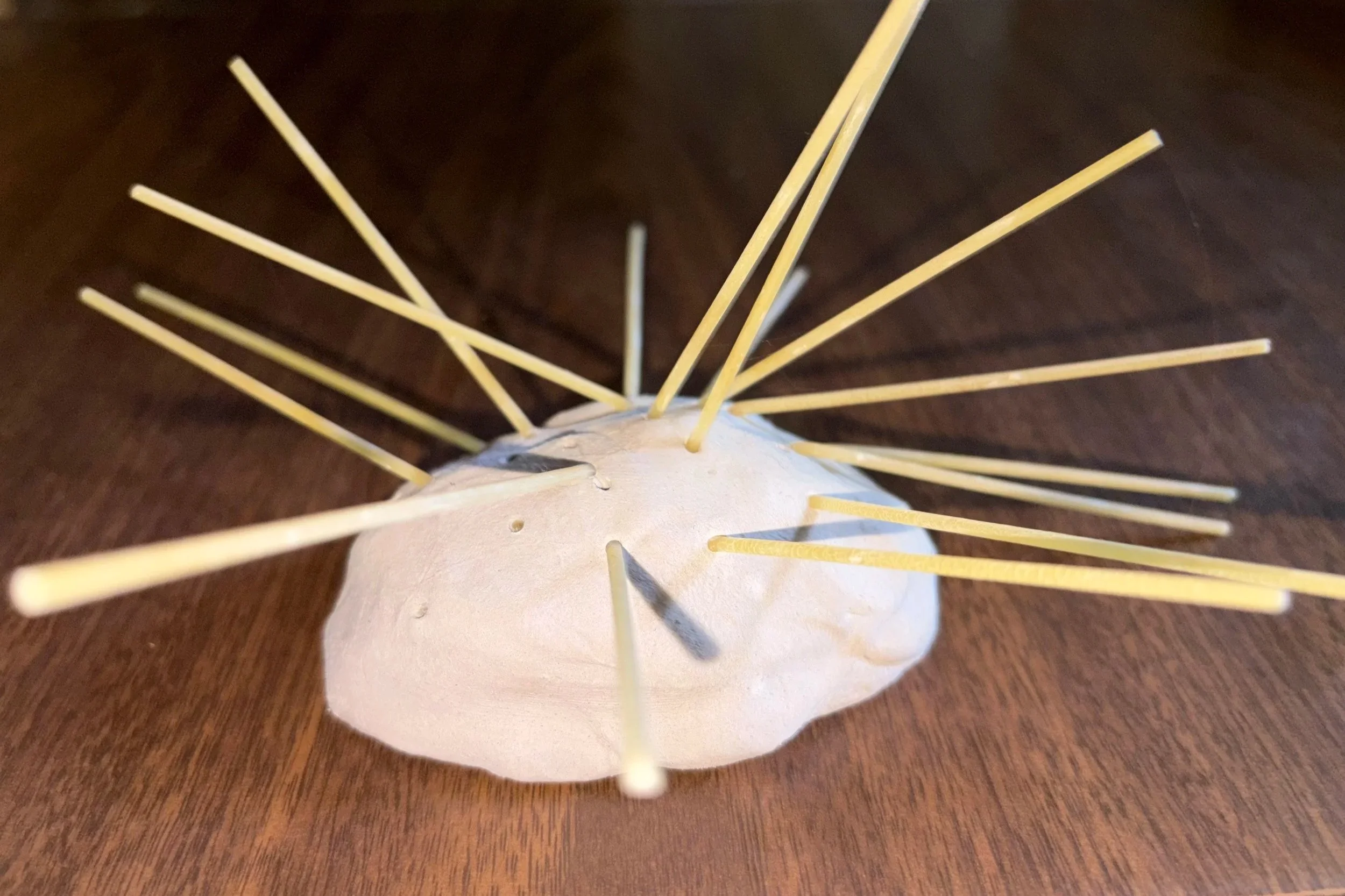
Spaghetti is for dinner!
One of my very early memories, as a four-year-old, occurred when I was attending a parent childhood observation program. The teacher gave each of us a lump of real clay to play with. I just made smooth rock like object with the clay having never experienced clay before. I had to find out what I could do with the clay before I could create something interesting. As I was working with the clay, the teacher gave me some dry spaghetti to push into the clay to make it more interesting. I was aghast. The spaghetti would normally be part of my dinner. Food was to be eaten in my house. We had enough food for myself, two sisters and my parents, but there was never much left over after any meal. Putting spaghetti in the real clay would get it dirty, and I didn’t know if it could be washed off. I knew I was supposed to follow the teacher’s directions, which were in direct conflict with my parents telling me not to waste food. I didn’t know what to do, so I just stared at the spaghetti. My mom came by and told me it was OK to put it in the clay, but I was confused since it was against her rules. I very carefully stuck a few broken pieces of spaghetti into the clay just deep enough to hold it in place, thinking that I could wash it off later, to cook and eat.
This early experience stayed with me, when I was a teacher of children and of their teachers. I would not let the students use food, staples or otherwise. That just didn’t work when so many people struggled, in the neighborhood, and around the globe, with having enough to eat every day. [D. Satterlee]
Desiree’s Bubbles
One of the most valuable lessons I ever learned had to do with the critical importance of using education to engage fear. Sometimes, when people do not understand something, especially something that’s different from what they know, then fear can result. Fear may breed anger, distrust, and sometimes even aggression. The following story shows how a little girl taught her friends what was happening to her body that was very puzzling… and once they understood, then compassion, instead of fear, resulted.
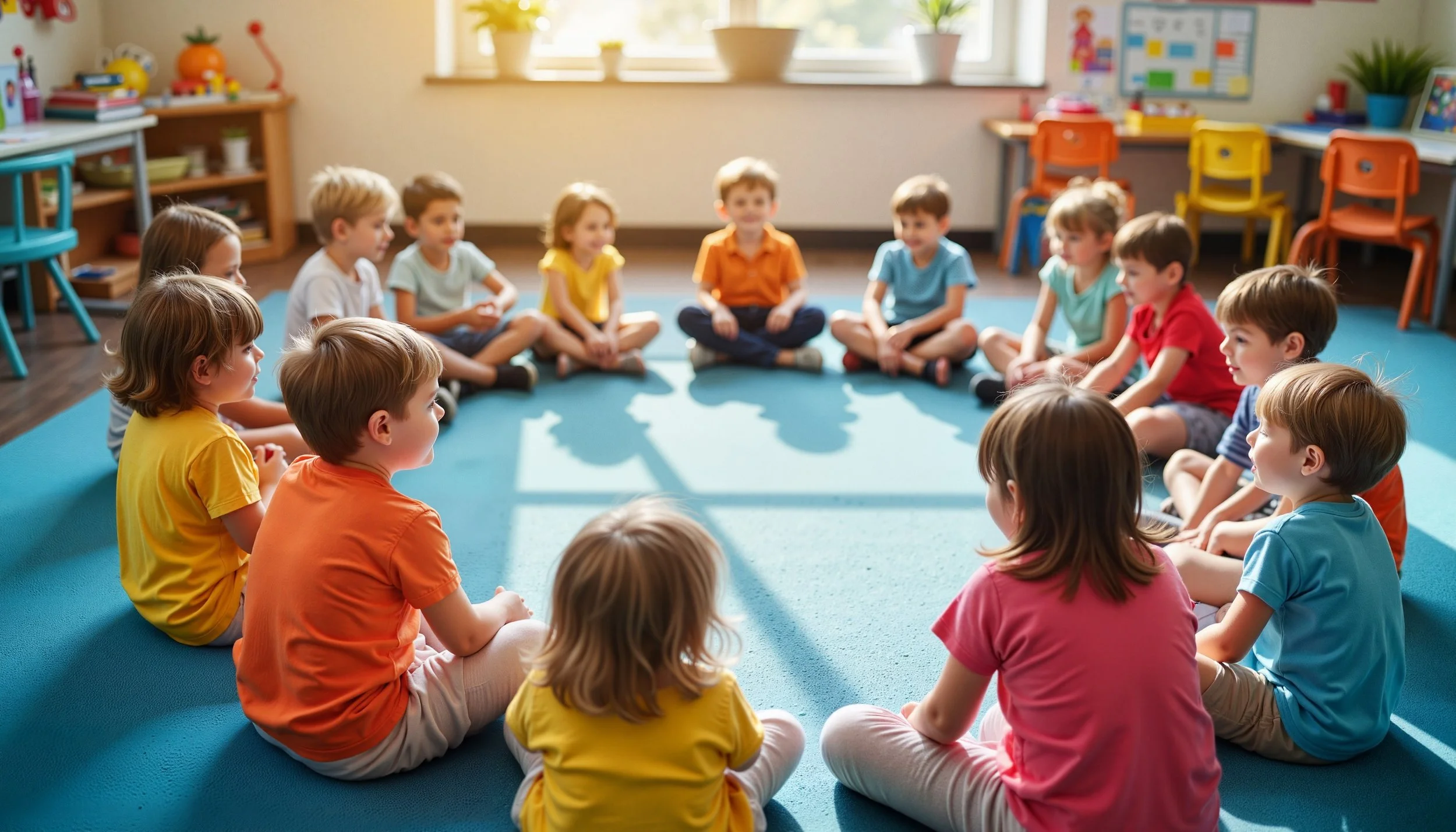
Years ago, when I was teaching a group of four-year-olds at the Children’s Center, California State University, Fullerton, there was a little girl named Desiree. She had long blond hair, a ready smile, an eagerness to enjoy life, and scars over about 17% of her body. She was the survivor of a fire. Partway through the year, her doctor decided that skin grafts were needed. He tried a then very new technique to help Desiree grow her own new skin by making two “bubbles” within her skin. These “bubbles” would grow bigger and bigger until such time that grafting could take place. Desiree’s mother explained the situation to the teachers and together we decided not to tell the other children until the “bubbles” were obvious because it seemed difficult to imagine what they would look like. What we didn’t know was that from one day to the next, Desiree’s “bubbles” would enlarge and be very obvious. Naturally, the children were quite distressed when they saw Desiree. We wondered how best to handle the situation and so immediately called Desiree’s mother for her thoughts. Since she wanted the children to understand as well as possible, she suggested that we talk to Desiree about how she would like to tell the children about her “bubbles.” Did she want to tell them, or did she want the teachers to tell them? As so often happens with children who have been trusted to create their own best solutions, Desiree came up with a third choice. She would tell the children at a “circle time” by whispering what she wanted to say into the teacher’s ear and then the teacher could repeat it. Everyone sat down, and the teacher explained that Desiree would be telling them about her “bubbles.” The children were respectful and full of questions as Desiree and the teacher proceeded to jointly communicate to the group. Very soon, Desiree got carried away answering their questions and forgot she “needed” the teacher. She became the teacher. And, once the children understood what was happening with Desiree, they were no longer distressed and fearful. They wanted to play with her as usual. Education is an important key to conquering fear and coping with uncertainty! [S. Hopkins]
NOTE: We chose “Dear Olive Branch” as the title for this column for several reasons – foremost as a sign of peace. Also, olives come in many colors, sizes, tastes, uses – a sign of diversity just as there are many types of questions and those who send the questions. We hope Olive’s responses will help you, the reader – if you have a question for Olive, send it to our email address. When Olive isn’t available to answer questions, members of EPCC and/or P.E.A.C.E. will step up to help.
Olive’s Future Columns
We are looking for your questions and/or short stories to be considered for inclusion in the future. Word range: 150-300 words.
This article is part of our Newsletter 2026 Issue 3. See all articles.
Share article